
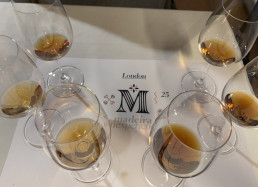
Oh Madeira, how rare and wonderful you are!
A small volcanic archipelago of 4 islands in the stormy Atlantic ocean (closer to Africa than Europe) but with a warm subtropical microclimate that delivers stable, humid, mild temperatures all year round, Madeira itself is as unique and exciting as the wines produced there.
In addition to more tropically-suited crops such as bananas, papaya and avocado, there are 380 hectares under vine. These are split between1,600 growers, each with a holding barely more than pocket-sized, with cliff-edge terraces on vertiginous slopes where grapes struggle to ripen and alcohols barely top 9%. Which is where fortification comes in. A hefty slug of 96% proof alcohol stabilises the wine after fermentation, followed by an extended period of exposure to 48C heat and slow oxidation (which replicates the ‘conditioning’ of wines at sea on long voyages, where the liquids received were essentially cooked).
The unique process of heat and oxidation delivers flavour and aroma in buckets – all the caramel, marmalade, brown sugar, clementine and warm Christmas spices with a backbone of acidity – in an array of styles from dry to the sweetest, Malmsey (so named because the English struggled to pronounce Malvasia).
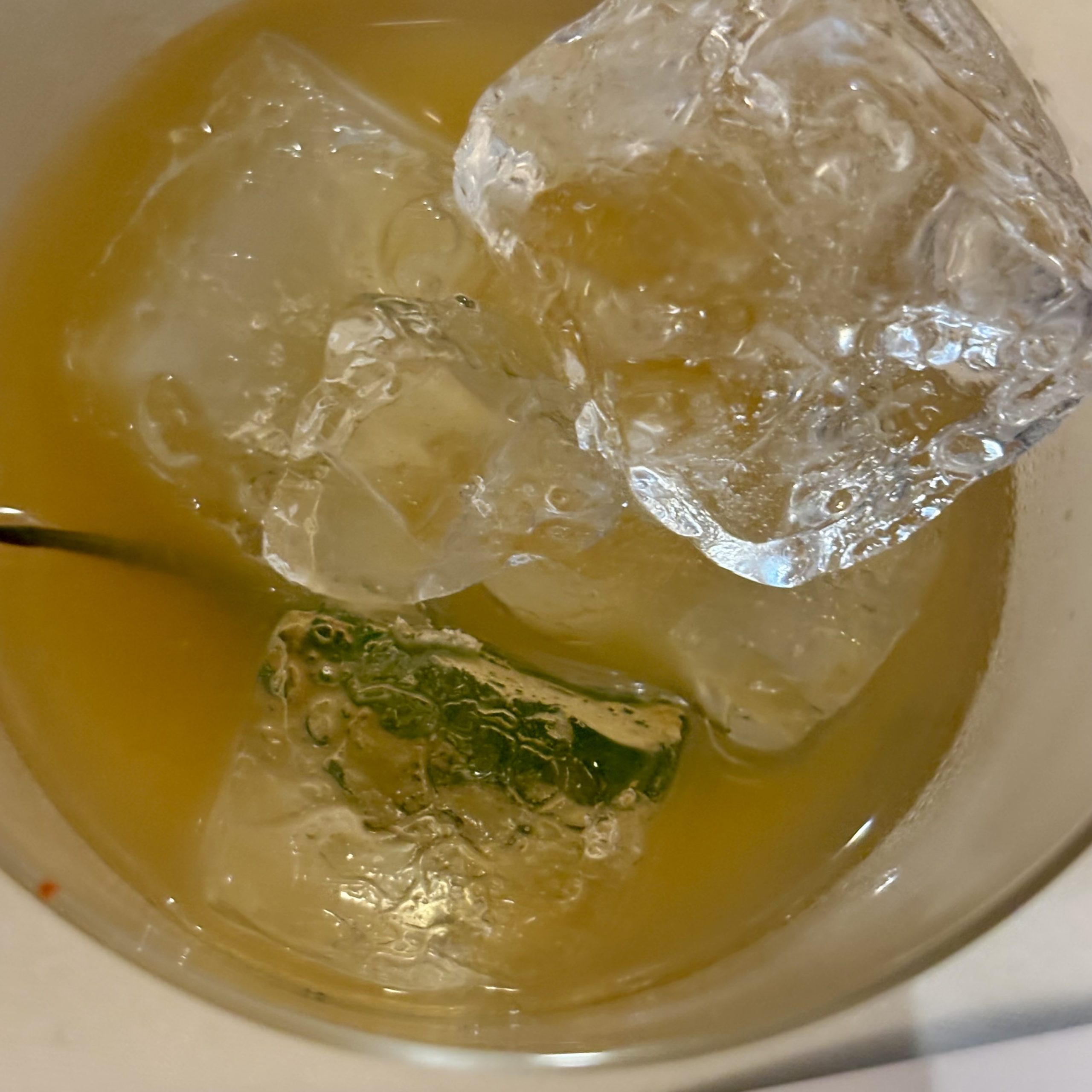
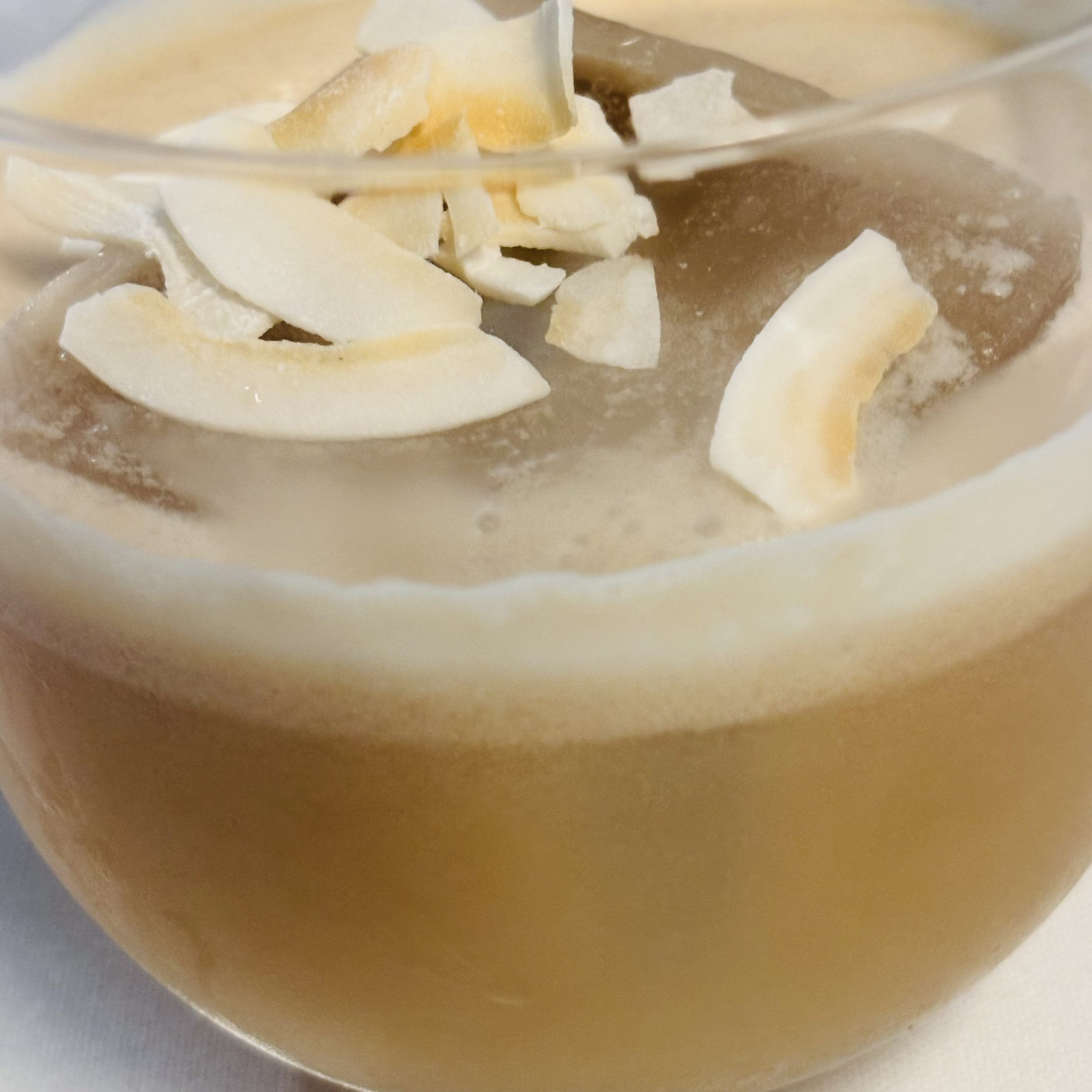
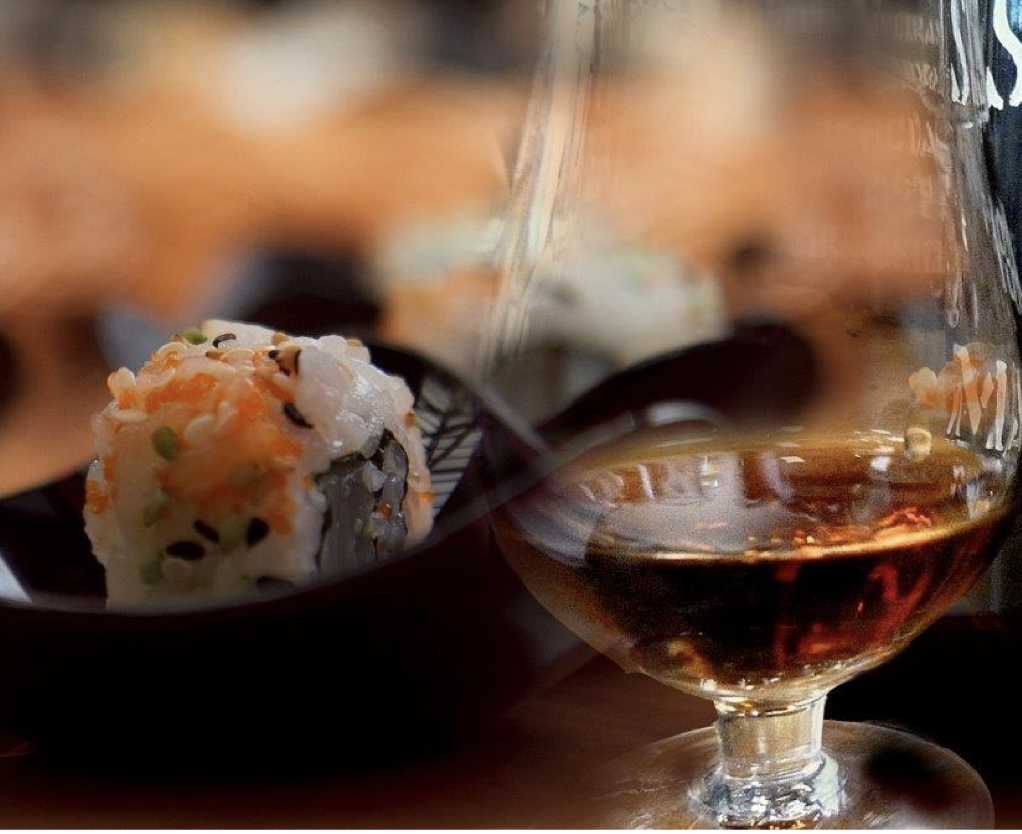
Apart from being an ideal aperitif to pair with savoury canapés (it pairs well with cured hams, cheeses and seafood), Madeira can also fill in for any of the big hitting spirits like vodka, gin, rum or tequila in your favourite cocktail; a clever way to dial down the alcohol content while still feeling the festive kick.
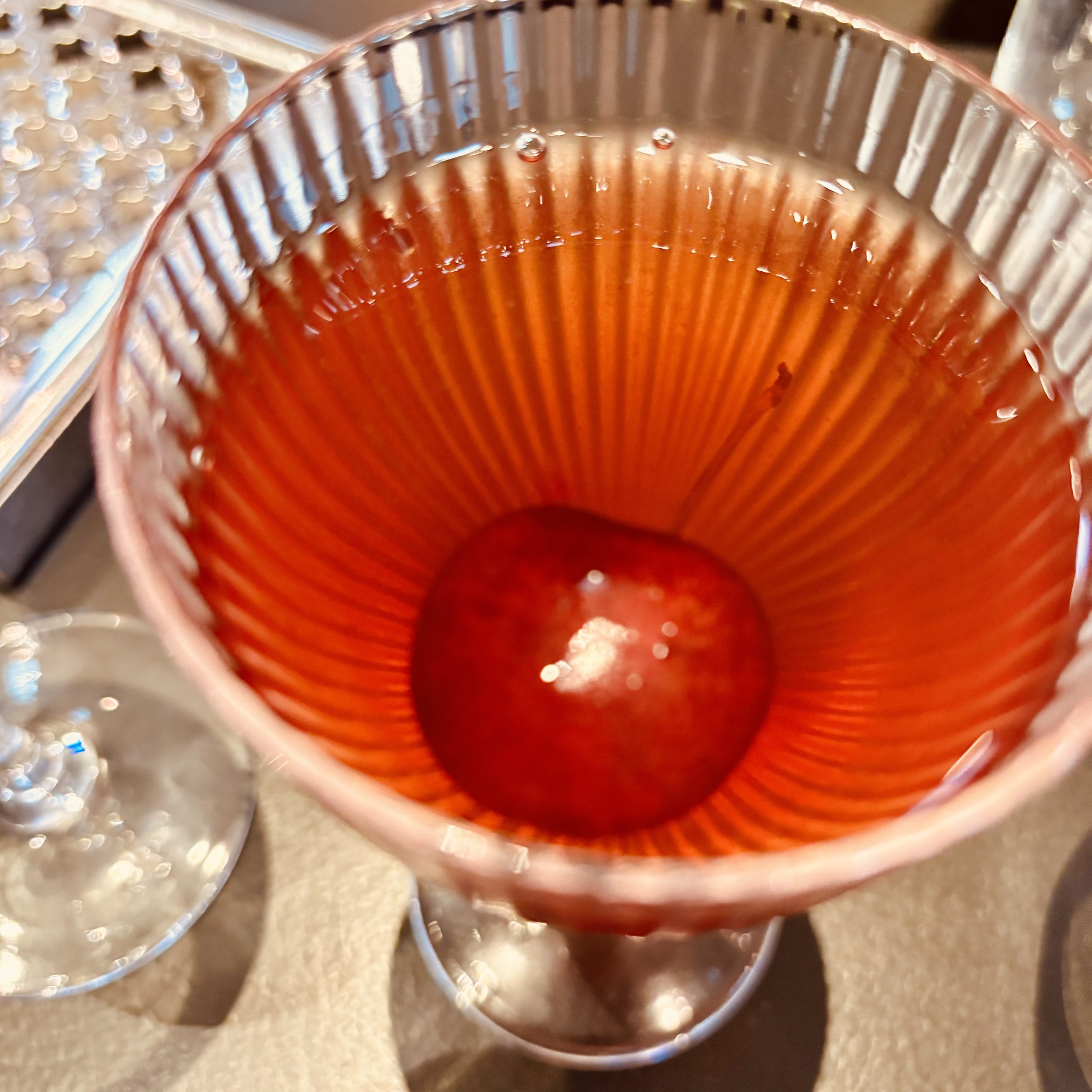
At a recent tasting I tried a very convincing ‘Smoky Madeirarita’ made with Justino’s Fine Medium Dry Reserve 5-year-old instead of tequila, and a Cherry Adonis made with D’Oliveiras 3-year-old Dry Madeira, cherry and dry Vermouth. which delivered moreish spice and complexity.
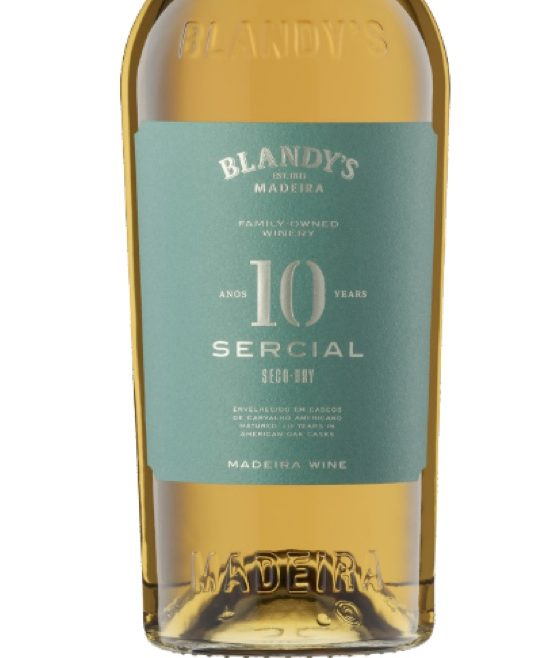
As an alternative to the ubiquitous negroni this season I would happily offer Blandy’s 10-year-old Sercial, with its bushels of dried fruit, candied citrus and spice, it is dry and fresh with a long finish. And at a respectable 19% alcohol it’s a sipper on its own or with tonic.
Soup is a very important part of Madeiran culture (and close to my heart!) and at the table it is often paired with dryer styles of Madeira while honey, nuts and chocolate are considered top pairings for the sweeter wines.
And while the world will always clamour for birth-year bottles for big celebrations, lighter, fresher styles that are ready to drink early are making their presence felt in the market and attracting a new generation of fans.
From a small island with difficult terrain, a sub-optimal climate, a clutch of little-known grapes (Boal, Sercial, Verdelho, Tinta Negra), Madeira really is a miracle.
© Linda Galloway 2025